Neurofeedback for Anxiety: Can Brain Training Reduce Panic and Worry?
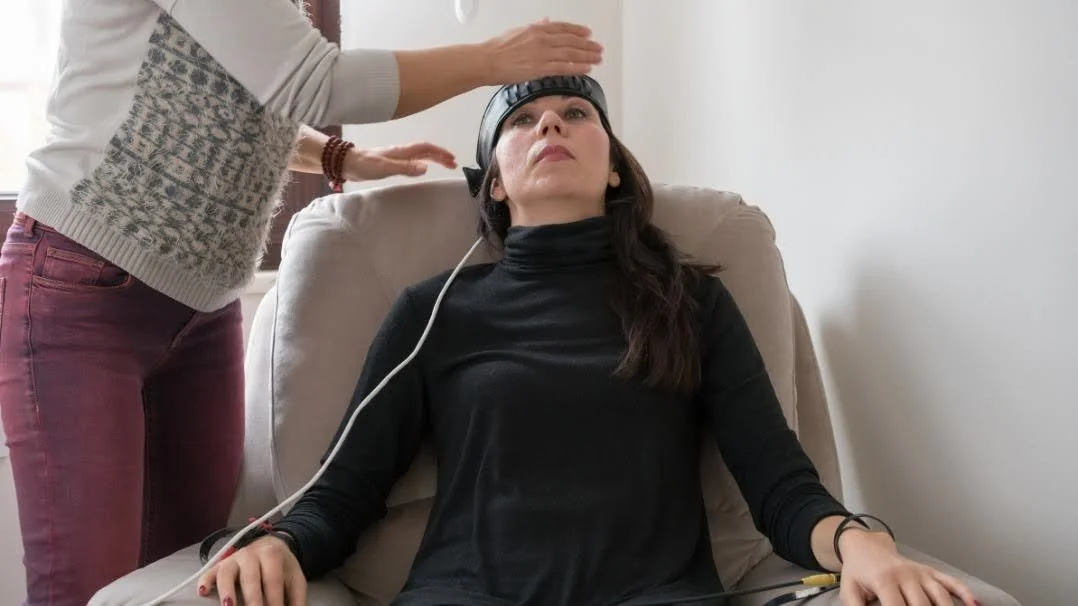
Yes, neurofeedback for anxiety may help reduce panic, chronic worry, and stress-related symptoms by training the brain to develop healthier patterns of activity associated with emotional regulation and nervous system balance. Rather than focusing only on symptom management, neurofeedback aims to improve the brain's ability to self-regulate, which may lead to greater resilience when facing everyday stressors.
Anxiety can affect nearly every aspect of life. From racing thoughts and excessive worry to panic attacks, sleep difficulties, and difficulty concentrating, anxiety often places the nervous system in a constant state of alertness. Many people seek solutions that address the underlying patterns contributing to these symptoms rather than simply managing them temporarily. This is where neurofeedback has gained growing attention.
At FlowState Therapy, neurofeedback is used as a brain-based training approach designed to support emotional regulation, stress management, and nervous system functioning. In this blog, we'll answer the most common questions people ask about neurofeedback for anxiety and explore how this evidence-informed approach may support long-term well-being.
Can Neurofeedback Really Help Anxiety?
Many people considering neurofeedback want a straightforward answer to this question. While results vary from person to person, research and clinical experience suggest that neurofeedback may help individuals improve self-regulation and reduce symptoms associated with anxiety.
Because anxiety affects a large number of Canadians and can interfere with everyday activities, many individuals seek approaches that go beyond symptom management and support long-term emotional regulation. The Public Health Agency of Canada reports that mood and anxiety disorders can significantly affect quality of life, work participation, and daily activities.
Neurofeedback does not "cure" anxiety. Instead, it helps train the brain to function more efficiently and respond to stress in healthier ways. Potential benefits may include:
Reduced feelings of chronic worry
Improved emotional regulation
Better stress management
Enhanced sleep quality
Greater resilience during challenging situations
Improved focus and concentration
Reduced nervous system hyperarousal
Increased sense of calm and control
For many individuals, neurofeedback is used alongside psychotherapy approaches such as CBT therapy in Ottawa services to provide comprehensive support.
What Happens in the Brain During Anxiety?
To understand how neurofeedback works, it helps to understand what anxiety may look like from a brain and nervous system perspective.
When anxiety becomes persistent, the brain can become stuck in patterns associated with heightened vigilance and stress responses. This may contribute to racing thoughts, excessive worry, difficulty relaxing, and increased sensitivity to perceived threats.
Common experiences associated with anxiety include:
Constant overthinking
Difficulty shutting off the mind
Physical tension
Panic symptoms
Sleep disturbances
Irritability
Difficulty concentrating
These symptoms often reflect challenges in emotional regulation and nervous system balance. Over time, chronic stress may reinforce these patterns, making them feel automatic.
Neurofeedback aims to help individuals become aware of and gradually shift these patterns through real-time brain training.
How Does Neurofeedback Work for Anxiety?
One of the most common questions patients ask is how neurofeedback actually works. Unlike talk therapy, neurofeedback focuses directly on brain activity rather than thoughts or behaviours alone.
During a neurofeedback session, sensors are placed on the scalp to monitor brainwave activity. The process is non-invasive and does not involve electrical stimulation.
The brain receives real-time feedback while engaging with visual or auditory activities. This feedback helps the brain recognize and reinforce more efficient patterns of functioning.
Neurofeedback training may help support:
Self-regulation skills
Emotional balance
Attention and concentration
Stress recovery
Nervous system resilience
Cognitive flexibility
Many people describe the process as a form of brain training that encourages healthier functioning through repetition and learning.
Individuals seeking neurofeedback therapy in Ottawa often appreciate that the process is personalized to their unique needs and goals.
What Does Neurofeedback Training Feel Like?
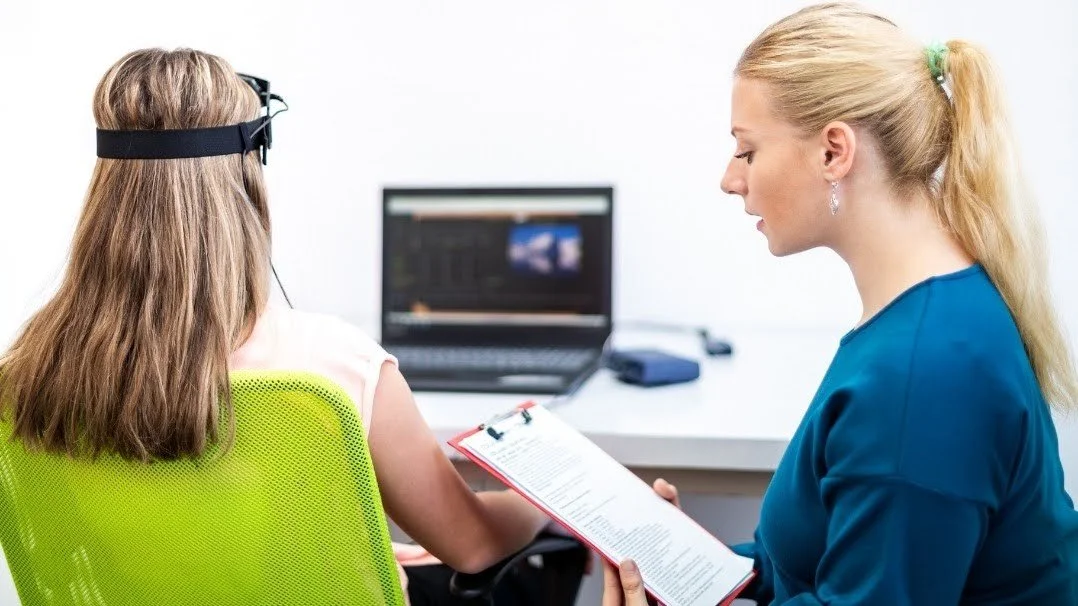
People are often surprised by how comfortable and straightforward neurofeedback sessions can be.
Unlike traditional therapy sessions, neurofeedback does not require extensive discussion about symptoms during the training process. Instead, the brain receives information about its activity and gradually learns from that feedback.
During a typical session, individuals may:
Watch a movie or a visual display
Listen to audio feedback
Sit comfortably in a relaxed environment
Participate in training exercises designed around their goals
Most individuals find sessions relaxing and easy to participate in.
Because neurofeedback works through learning and repetition, changes often occur gradually over time rather than instantly.
What Types of Anxiety May Benefit From Neurofeedback?
Anxiety is not a one-size-fits-all experience. Different individuals experience anxiety in different ways, and neurofeedback may be incorporated into treatment plans for a variety of concerns.
People may seek neurofeedback support for:
Generalized anxiety
Excessive worry
Panic symptoms
Social anxiety
Performance anxiety
Stress-related symptoms
Burnout
Emotional dysregulation
Anxiety can also overlap with experiences related to trauma, chronic stress, and nervous system dysregulation.
For individuals experiencing trauma-related challenges, resources related to neurofeedback for trauma in Ottawa may also provide valuable support and information.
How Long Does It Take to See Results?
One of the most frequently asked questions about neurofeedback is how quickly changes occur.
The answer depends on several factors, including:
Individual goals
Symptom severity
Consistency of training
Overall health and lifestyle factors
Co-occurring mental health concerns
Some individuals notice subtle improvements relatively early in the process, while others experience gradual changes over a longer period.
Potential early changes may include:
Better sleep
Improved focus
Reduced stress reactivity
Increased emotional awareness
Longer-term training may help reinforce healthier patterns of self-regulation and emotional resilience.
Consistency is often one of the most important factors in achieving meaningful outcomes.
How Does Neurofeedback Compare to Traditional Anxiety Treatments?
People often wonder whether neurofeedback is better than therapy or whether it should replace other forms of support.
The reality is that neurofeedback is often most effective when viewed as part of a broader treatment approach.
Neurofeedback focuses on brain training, while psychotherapy helps individuals develop insight, coping strategies, and behavioural skills.
Benefits of combining approaches may include:
Addressing both brain function and psychological processes
Supporting emotional regulation from multiple angles
Developing practical coping skills
Improving long-term resilience
Enhancing treatment engagement
At FlowState Therapy, neurofeedback may complement services such as CBT therapy, helping individuals build both neurological and psychological tools for managing anxiety.
Who Is a Good Candidate for Neurofeedback?
Not everyone seeks neurofeedback for the same reason. The best candidates are often individuals looking for a structured, brain-based approach to improving emotional and nervous system functioning.
You may be a good candidate if you experience:
Chronic worry
Stress-related symptoms
Panic symptoms
Emotional dysregulation
Sleep difficulties
Difficulty concentrating
Burnout
Nervous system overwhelm
Individuals interested in broader emotional resilience may also benefit from exploring emotional regulation therapy resources alongside neurofeedback training.
What Can You Expect at FlowState Therapy?
Choosing a provider is an important part of the neurofeedback journey. Patients often want to know what makes one clinic different from another.
At FlowState Therapy, neurofeedback is integrated into a personalized, client-centered approach focused on helping individuals improve self-regulation, emotional resilience, and overall well-being.
Patients can expect:
Comprehensive assessment
Individualized treatment planning
Evidence-informed care
Supportive therapeutic environment
Integration with psychotherapy when appropriate
Ongoing progress monitoring
The goal is not simply symptom reduction but helping individuals develop lasting skills that support healthier brain and nervous system functioning.
Key Takeaways
Neurofeedback is generating growing interest as a brain-based approach for managing anxiety and improving emotional regulation.
Important points to remember include:
Neurofeedback trains the brain using real-time feedback.
It may help support emotional regulation and stress management.
It is non-invasive and does not involve electrical stimulation.
Progress typically occurs gradually through repeated training.
Neurofeedback can complement psychotherapy approaches.
It is also being explored in related areas such as neurofeedback for concussion recovery and post-injury brain regulation support.
Many individuals seek neurofeedback to improve resilience, focus, sleep, and overall well-being.
For individuals struggling with chronic worry, stress, or panic symptoms, neurofeedback may offer a valuable addition to a comprehensive mental health treatment plan.
Frequently Asked Questions
-
Neurofeedback may help improve emotional regulation, stress management, and nervous system functioning, which can contribute to reductions in anxiety-related symptoms.
-
Some individuals seek neurofeedback support to improve self-regulation and reduce physiological stress responses associated with panic symptoms.
-
The number of sessions varies depending on individual goals, symptom severity, and treatment response.
-
Neurofeedback is considered a non-invasive approach that monitors brain activity and provides real-time feedback without electrical stimulation.
-
Yes. Neurofeedback is often integrated with psychotherapy approaches such as cognitive behavioural therapy to provide comprehensive support.
Conclusion
Neurofeedback for anxiety offers a promising brain-based approach for individuals seeking better emotional regulation, reduced stress, and improved resilience. By helping the brain develop healthier patterns of activity, neurofeedback may support long-term well-being and complement traditional therapy approaches. For many people, it represents an opportunity to build greater calm, focus, and confidence in everyday life.
Ready to Take Control of Anxiety and Feel More Balanced?
Living with constant worry, stress, or panic can be exhausting, but you don't have to navigate it alone. At FlowState Therapy, our personalized neurofeedback programs are designed to support emotional regulation, nervous system balance, and overall mental wellness.
Book a consultation today to learn how Neurofeedback Therapy services can support your journey toward greater calm, resilience, and emotional well-being.
