Neurofeedback for Concussion and TBI Recovery in Ottawa: What Patients Should Know
Yes, neurofeedback may help support recovery after a concussion or traumatic brain injury (TBI) by encouraging the brain to self-regulate more effectively. Many people struggling with post-concussion symptoms report challenges such as brain fog, poor concentration, sleep disturbances, emotional reactivity, fatigue, and difficulty returning to their normal routines. Neurofeedback offers a non-invasive form of brain training that may help improve resilience, focus, emotional regulation, and overall cognitive functioning.
At FlowState Therapy in Ottawa, we offer Neurofeedback Therapy Ottawa services using NeurOptimal® Dynamical Neurofeedback, a gentle brain training technology designed to help the brain become more flexible and efficient. While neurofeedback is not a medical treatment for concussion or TBI, it can be a valuable complementary tool for individuals seeking support during their recovery journey.
For many Ottawa patients, the question is not simply "Can I recover?" but rather "How can I help my brain function at its best again?" Neurofeedback may be one option worth exploring alongside appropriate medical care and therapeutic support.
What Is a Concussion or Traumatic Brain Injury (TBI)?
A concussion is considered a mild traumatic brain injury caused by a blow, jolt, or impact that affects normal brain functioning. According to the Government of Canada, a concussion is a type of brain injury that can affect how a person thinks, feels, sleeps, and functions day to day. Symptoms may develop immediately or appear hours or days after the injury.
Common causes include:
Sports injuries
Motor vehicle accidents
Falls
Workplace accidents
Recreational injuries
Although some individuals recover within weeks, others experience symptoms that persist for months or even longer.
These ongoing symptoms are often referred to as post-concussion symptoms and may include:
Brain fog
Difficulty concentrating
Memory challenges
Sleep problems
Anxiety
Irritability
Fatigue
Sensitivity to light or sound
Emotional overwhelm
Reduced mental stamina
When these symptoms continue, many people begin searching for additional recovery supports beyond rest and symptom management.
What Is Neurofeedback?
Neurofeedback is a form of brain training therapy that provides real-time feedback about brain activity.
At FlowState Therapy, we use NeurOptimal® Neurofeedback, which works differently from traditional treatment approaches. Rather than attempting to force the brain into a specific state, the system provides information that helps the brain recognize and adjust its own patterns.
Think of it like holding up a mirror for the brain.
During a session:
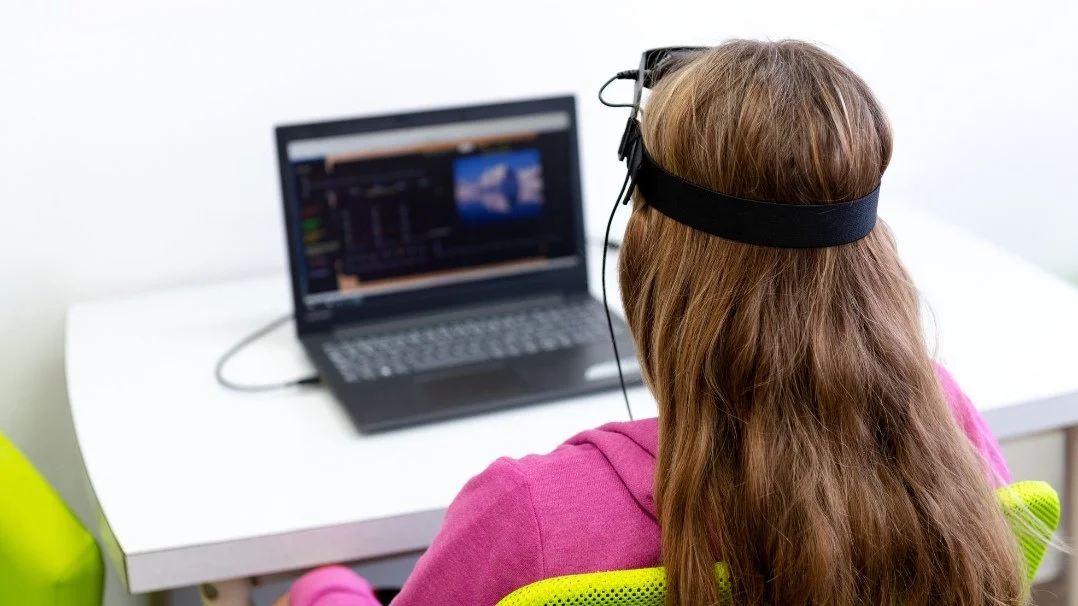
Sensors are placed on the scalp to monitor brain activity.
No electricity is sent into the brain.
You relax while listening to music.
The system provides real-time feedback.
The brain uses that information to improve self-regulation.
Many clients describe the experience as relaxing, passive, and effortless.
Why Is Neurofeedback Being Discussed for Concussion Recovery?
One of the biggest challenges after a concussion is that the brain and nervous system may have difficulty returning to an efficient, regulated state.
People often report:
Feeling mentally "stuck"
Increased stress sensitivity
Reduced focus
Emotional volatility
Sleep disruption
Cognitive fatigue
Neurofeedback is being explored because it focuses on supporting the brain's natural self-regulation abilities.
The goal is not to treat a diagnosis directly.
Instead, the objective is to support healthier brain functioning that may positively influence:
Attention
Cognitive flexibility
Emotional regulation
Stress resilience
Sleep quality
Mental clarity
This is one reason why many individuals recovering from concussion symptoms are increasingly interested in brain training therapy in Ottawa services.
What Post-Concussion Symptoms Might Neurofeedback Support?
Although every recovery journey is different, many people seek neurofeedback support for symptoms such as:
Brain Fog
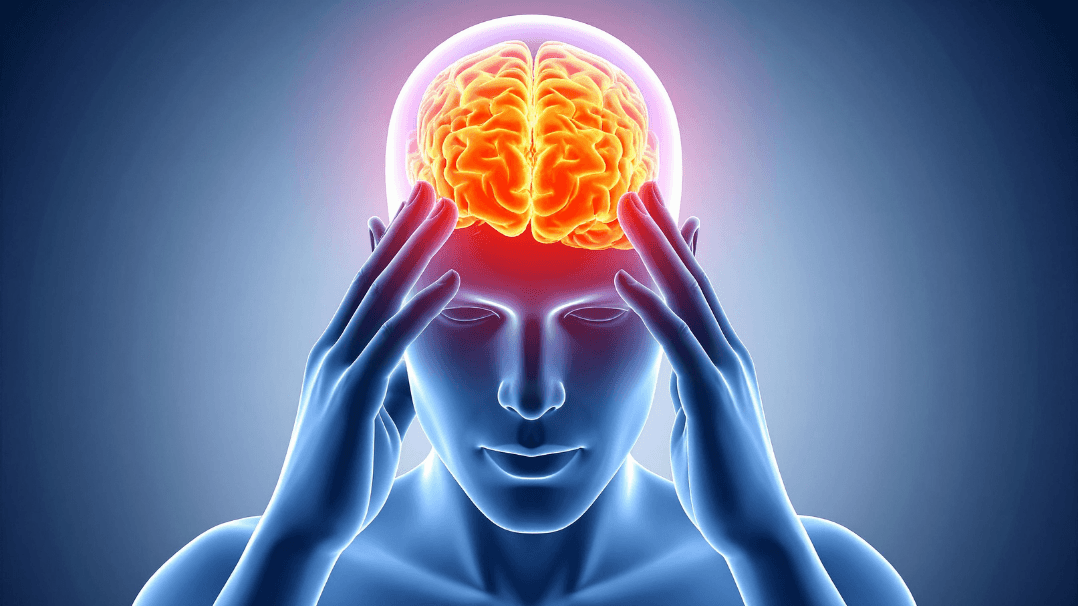
Difficulty thinking clearly is one of the most common post-concussion complaints. Improved brain self-regulation may support mental clarity and cognitive efficiency.
Attention and Focus Difficulties
Some individuals notice symptoms that resemble ADHD following a concussion.
If concentration challenges continue after recovery, you may also find our guide on neurofeedback vs. medication for ADHD helpful.
Sleep Problems
Quality sleep is essential for neurological recovery. Many neurofeedback users report improvements in sleep quality and restfulness.
Emotional Regulation Challenges
Concussions can affect mood stability and stress tolerance.
People may experience:
Irritability
Frustration
Anxiety
Emotional reactivity
Neurofeedback aims to support nervous system flexibility, which may help individuals respond more effectively to daily stressors.
Anxiety Following a Concussion
Persistent symptoms often create uncertainty and stress. Patients experiencing anxiety-related challenges may also benefit from learning more about neurofeedback for anxiety in Ottawa and how brain training may complement broader mental health support.
Is Neurofeedback a Replacement for Medical Care?
No.
Neurofeedback should not replace medical assessment, neurological care, or professional concussion management.
Instead, it is often used as a complementary wellness approach that may support overall brain and nervous system functioning.
Individuals recovering from a concussion or TBI should continue following recommendations from their healthcare providers.
What Happens During a Neurofeedback Session at FlowState Therapy?
Many people are surprised by how simple the process is.
During a typical session:
Sensors are gently attached to the scalp.
You sit comfortably in a quiet environment.
Music plays through headphones.
The NeurOptimal® system monitors brain activity.
Real-time feedback helps the brain recognize and adjust its own patterns.
There are:
No medications
No electrical stimulation
No cognitive exercises
No effort required
Sessions typically last approximately 45 minutes.
Can Neurofeedback Help People Recovering from Trauma and PTSD After an Injury?
In some cases, a concussion or accident may be accompanied by psychological trauma.
For example:
Motor vehicle accidents
Workplace injuries
Sports injuries
Assault-related injuries
These experiences may leave individuals struggling with both physical and emotional recovery.
Because FlowState Therapy takes a trauma-informed approach, neurofeedback is often used alongside psychotherapy to support nervous system regulation and emotional resilience.
If trauma symptoms are part of your recovery journey, you may also be interested in learning more about therapy for PTSD and how psychotherapy can complement brain training approaches.
How Many Neurofeedback Sessions Are Usually Recommended?
There is no universal number. Every brain is different. Some individuals notice changes within a few sessions, while others benefit from a longer series of sessions.
At FlowState Therapy, progress is reviewed throughout the process to help determine what makes sense for each person's goals and circumstances.
Why Ottawa Patients Choose Neurofeedback at FlowState Therapy
Patients often choose FlowState Therapy because of its:
Trauma-informed philosophy
Ottawa-based in-person care
Integration with psychotherapy services
Calm and supportive environment
NeurOptimal® Dynamical Neurofeedback System
Personalized, client-centered approach
Rather than focusing solely on symptoms, the goal is to support the brain's ability to function more efficiently and adaptively over time.
Key Takeaways
Concussions and TBIs can affect focus, sleep, mood, and cognitive functioning.
Neurofeedback is a non-invasive form of brain training.
NeurOptimal® Neurofeedback helps the brain improve self-regulation through real-time feedback.
Many individuals explore neurofeedback to support brain fog, concentration difficulties, emotional regulation, and sleep challenges.
Neurofeedback is not a replacement for medical care but may serve as a complementary wellness approach.
FlowState Therapy offers neurofeedback therapy in Ottawa within a trauma-informed mental health setting.
Frequently Asked Questions
-
NeurOptimal® Neurofeedback is non-invasive and does not involve medication or electrical stimulation. Many individuals explore it as a supportive wellness option during recovery.
-
Some individuals pursue neurofeedback because of ongoing challenges with focus, mental clarity, and cognitive fatigue following a concussion.
-
This varies depending on individual circumstances. Patients should discuss timing with their healthcare provider and recovery team.
-
Coverage varies by provider and policy. Patients should verify details with their insurance company directly.
-
Yes. FlowState Therapy frequently integrates neurofeedback alongside psychotherapy and trauma-informed care approaches.
Conclusion
Recovering from a concussion or traumatic brain injury can be a complex and highly individual process. While neurofeedback is not a replacement for medical care, it may help support brain self-regulation, cognitive functioning, emotional resilience, and overall well-being. For Ottawa patients seeking a non-invasive, drug-free approach to brain training, neurofeedback can be a valuable addition to a comprehensive recovery plan.
Ready to Explore Neurofeedback for Concussion Recovery in Ottawa?
If you're experiencing ongoing symptoms such as brain fog, difficulty concentrating, sleep challenges, or emotional overwhelm after a concussion or TBI, you don't have to navigate recovery alone. At FlowState Therapy, we provide trauma-informed neurofeedback therapy using NeurOptimal® dynamical neurofeedback in a supportive and compassionate environment. Contact FlowState Therapy today to learn more or book your neurofeedback consultation in Ottawa.
