Can Neurofeedback Help Veterans With PTSD? What Ottawa Patients Should Know
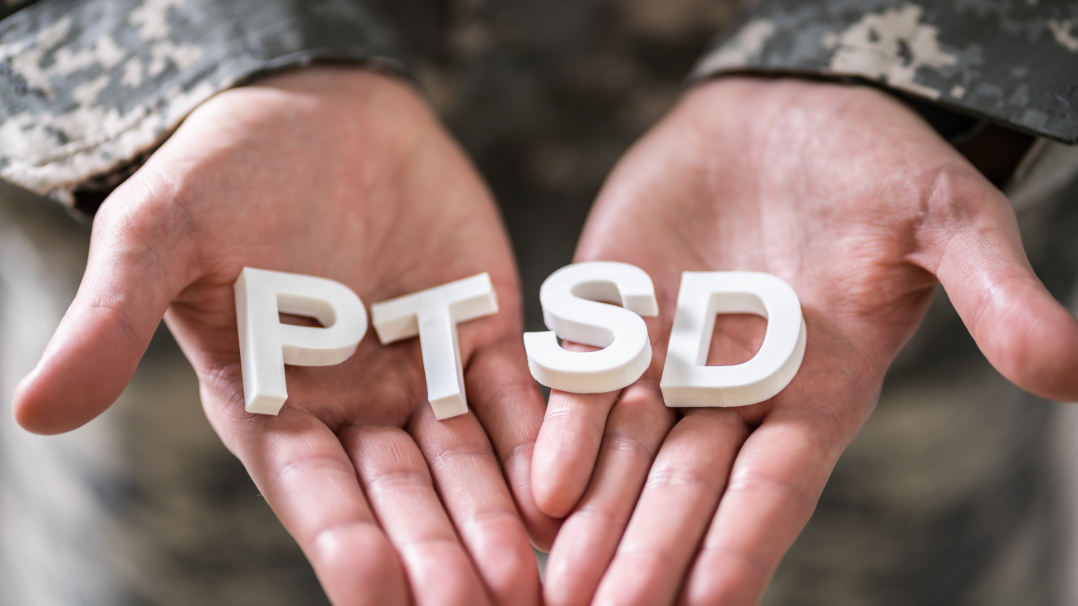
Yes, neurofeedback can be a valuable part of a veteran's PTSD recovery plan. Research and clinical experience suggest that neurofeedback for trauma helps train the nervous system out of chronic fight-or-flight patterns, which often makes other PTSD therapies more effective.
If you're a veteran in Ottawa who has tried talk therapy, medication, or both, and you're still feeling stuck in hypervigilance, sleeplessness, or emotional numbness, you're not alone. Many veterans find that trauma lives in the body and brain in ways that words alone can't always reach. That's where brain-based approaches like neurofeedback are gaining attention, not as a replacement for proven trauma therapy, but as a gentle, complementary tool that supports the nervous system while you do the deeper work. Below, we explain what neurofeedback actually is, what the research says, and how it fits into PTSD therapy for veterans in Ottawa.
What Is Neurofeedback, Exactly?
Neurofeedback is often misunderstood as some kind of mind-reading or brain-zapping technology, but it's actually much simpler and far less invasive than that. It's a passive brain training process, not a medical treatment, and it requires no effort, diagnosis, or analysis on your part.
Sensors are placed gently on your scalp and ears to read your brainwave activity in real time, with nothing entering your body.
You simply sit back and listen to music or watch visuals while the system observes your brain's patterns.
When your brain shifts into a less regulated state, the audio briefly and subtly interrupts, giving your brain information about its own activity.
Over repeated sessions, this feedback loop appears to help the brain recognize unhelpful patterns and self-correct toward more flexibility and balance.
At FlowState Therapy, we use NeurOptimal® Dynamical Neurofeedback, a next-generation system that works with the whole brain rather than targeting one specific diagnosis.
How Does Neurofeedback for Trauma Actually Work?
According to Veterans Affairs Canada, PTSD is a recognized mental health condition that can affect sleep, mood, and daily functioning and is typically treated with psychotherapy and medication.
Neurofeedback is best understood as a complementary tool that may support nervous system regulation alongside these treatments.
Trauma can leave the brain's stress-response system overactive, contributing to symptoms like anxiety, irritability, and trouble sleeping.
Neurofeedback doesn't push the brain in a specific direction or "fix" a diagnosis; instead, it offers gentle feedback that helps the brain notice and adjust its own activity.
This self-regulation process may help reduce the intensity of trauma-related symptoms over time, supporting greater calm, clarity, and emotional resilience.
Because no talking or memory recall is required during a session, many veterans find neurofeedback less confronting than traditional exposure-based approaches, especially early in their healing journey.
Why Are Veterans Specifically Turning to Neurofeedback?
Military service often involves repeated, layered exposure to high-stress and traumatic events, which can make standard talk therapy alone feel insufficient for some veterans. Neurofeedback offers an additional pathway into the nervous system that doesn't rely on verbal processing.
Many veterans carry complex or layered trauma built up over multiple deployments or incidents, not just a single traumatic event.
Hypervigilance, sleep disruption, and emotional shutdown are common in veterans with PTSD, and these are exactly the kinds of nervous-system patterns neurofeedback aims to support.
Veterans often value approaches that don't require constantly retelling traumatic stories, and neurofeedback offers a way to support healing without verbal recall.
It can be especially helpful for veterans who feel "stuck" despite years of conventional treatment, offering a new entry point into regulation.
Because it's non-invasive and requires no effort, it's well-suited to veterans managing chronic pain, fatigue, or burnout alongside PTSD.
What Does the Research Say About Neurofeedback and PTSD?
It's important to be upfront and honest here: neurofeedback is not a magic cure, and it is not classified as a stand-alone medical treatment for PTSD. That said, a growing body of clinical interest supports it as a meaningful complementary approach.

Neurofeedback has been studied as a way to help reduce hyperarousal and improve emotional regulation in individuals with trauma histories.
Many clients report improvements in sleep quality, focus, and emotional stability after a series of sessions, alongside their existing trauma therapy.
Because neurofeedback supports the nervous system directly, clients often find that talk therapy and trauma processing become more effective once their baseline regulation improves.
It is best understood as a tool that supports your brain's natural capacity to regulate itself, not a treatment that overrides or replaces clinical PTSD care.
As with any therapy, results vary from person to person, and a typical program involves a series of sessions reviewed over time rather than a one-time fix.
What Happens During a Neurofeedback Session for PTSD?
Knowing what to expect can ease a lot of the hesitation veterans feel about trying something new, especially after experiences with treatments that felt clinical or invasive. A neurofeedback session is designed to be calm, low-pressure, and entirely passive.
You'll sit comfortably in a chair while sensors are placed on your scalp and ears to read your brainwave activity.
There are no tasks to complete and no effort required; you simply listen to music or watch visuals while your brain does the work.
Sessions typically last about 45 minutes, and most clients report feeling calmer, clearer, or more grounded afterward.
At FlowState Therapy, sessions can be therapy-led, guided by a licensed psychotherapist who helps you integrate insights into your broader healing goals, or nurse-led for ongoing maintenance and nervous system support between therapy appointments.
A typical neurofeedback program includes between 10 and 20 sessions, with progress reviewed along the way so your care team can adjust as needed.
Is Neurofeedback Safe for Veterans With Complex Trauma?
Safety is often the first question veterans ask, particularly those who have had difficult experiences with medication side effects or invasive procedures in the past. Neurofeedback was built with gentleness in mind.
NeurOptimal® neurofeedback involves no electrical stimulation, no medication, and no manipulation of brain activity; it only observes and provides feedback.
It's considered safe for people of all ages, including veterans managing complex or layered trauma.
Because the system responds to your brain's own activity rather than imposing a fixed protocol, sessions are trauma-informed by design.
Our therapy-led sessions specifically include trauma-informed care, ensuring the process feels safe even for veterans with complex PTSD.
There are no known negative side effects, which makes it a low-risk addition to an existing PTSD therapy for veterans in Ottawa.
How Does Neurofeedback Fit Alongside Other PTSD Treatments?
Veterans rarely benefit from a single approach in isolation; healing trauma usually requires a layered, personalized plan. Neurofeedback therapy in Ottawa is designed to work in conjunction with, not in place of, other evidence-based trauma care.
It can be combined with traditional psychotherapy, including CBT and DBT, to help regulate the nervous system between talk therapy sessions.
Veterans exploring deeper healing options sometimes also look into psychedelic therapy for veterans as part of a broader, medically supervised treatment plan.
Combining nervous-system regulation tools with trauma processing therapies often leads to more sustainable progress than either approach alone.
Your care team can help map out which combination of therapies fits your specific symptoms, history, and goals.
Is Neurofeedback Only for PTSD, or Does It Help With Other Concerns Too?
Veterans dealing with PTSD frequently experience overlapping challenges, and neurofeedback's whole-brain approach tends to support several of these at once rather than targeting one narrow symptom.
Many veterans also struggle with anxiety alongside PTSD, and neurofeedback for anxietyin Ottawa works by gently guiding the brain out of chronic fight-or-flight activation.
It's also used to support chronic pain, fatigue, migraines, and burnout, all of which are common among veterans navigating long-term stress.
Sleep disruption, a hallmark PTSD symptom, often improves as the nervous system becomes more regulated through consistent sessions.
Because it supports the whole brain rather than one diagnosis, many veterans find unexpected improvements in mood and focus beyond their original reason for trying it.
Veterans managing attention or focus difficulties sometimes ask how neurofeedback vs. medication for ADHD compares; neurofeedback offers a non-medication option worth discussing with your care team, especially if you're trying to minimize additional prescriptions.
What Should You Do Next?
Recovering from PTSD as a veteran isn't about finding one perfect treatment; it's about building a care plan that actually fits how your nervous system responds. Neurofeedback offers a gentle, evidence-informed starting point or complement to deeper trauma work.
If you're curious whether neurofeedback is right for you, the best next step is a conversation with a trauma-informed clinical team, not guesswork on your own.
FlowState Therapy's downtown Ottawa clinic was built specifically to feel like a sanctuary, not a clinical or sterile space, which matters when you're doing vulnerable work.
Our team blends neurofeedback, traditional psychotherapy, and trauma-focused modalities into one collaborative care plan.
Veterans can also explore complementary options like psychedelic therapy for veterans if conventional approaches haven't provided full relief.
Conclusion
Neurofeedback for trauma offers veterans a gentle, non-invasive way to support nervous system regulation alongside traditional PTSD therapy. While not a cure, it may help reduce hyperarousal, improve sleep, and enhance emotional balance over time. For Ottawa veterans feeling stuck despite therapy or medication, it can be a supportive, complementary tool within a personalized, trauma-informed care plan when clinically appropriate.
Start Neurofeedback Therapy in Ottawa
If you're exploring neurofeedback therapy in Ottawa, the next step is a conversation with a trauma-informed clinician who understands veteran-specific PTSD needs. At FlowState Therapy, neurofeedback is integrated with psychotherapy and nervous system support to help you build a care plan that fits your experience. Whether used alone or alongside PTSD therapy for veterans in Ottawa, it can be part of a broader path toward stability and recovery.
