Why Are More Veterans Turning to Psychedelic Therapy for Healing?
Psychedelic therapy for veterans is growing in interest because emerging research shows it can help relieve trauma, depression, and PTSD when conventional treatments fall short. For many veterans, psychedelic-assisted therapy (under medical supervision) offers a potential path toward healing heavy emotional burdens, especially where previous therapies have not fully worked.
Veterans often carry deep, complex wounds, physical, psychological, and existential. Traditional treatments (therapy, medications) help many, but are not always sufficient for those with persistent trauma, treatment-resistant depression, or chronic pain. That's why increasing numbers are exploring psychedelic therapy in Ottawa: it may unlock healing by addressing root trauma in a different way. In this post, we will explore why this shift is happening, what the science currently says, and what cautious optimism should look like for veterans considering this path.
Why Many Veterans Are Exploring Psychedelic Therapy

Several factors contribute to the growing interest in psychedelic therapy among veterans.
High rates of PTSD, trauma, depression, chronic pain, and co-occurring conditions. Many veterans live with complex trauma, moral injury, and depression that standard treatments don't always resolve fully.
Limitations of conventional treatments. While evidence-based therapies and medications help many, a substantial number of veterans remain treatment-resistant or face side effects, stigma, or insufficient relief from traditional care.
Desire for holistic healing. Veterans often seek not just symptom suppression, but deeper processing, integrating mind, body, and meaning; psychedelic therapy promises a more holistic experience.
Emerging scientific support & growing public discussion. As research on psychedelics increases, public awareness and acceptance, including among clinicians and policymakers, is rising.
Advocacy, community, and changing regulations. Veterans' advocacy groups and increasing regulatory attention have opened more conversations about making psychedelic therapy accessible under appropriate safeguards.
What Is Psychedelic-Assisted Therapy (PAT) — And How Might It Help

To understand why veterans turn to psychedelics for trauma healing, it helps to know what it involves and how it may work.
What is PAT?
Psychedelic-assisted therapy combines a psychoactive substance with psychotherapy in a controlled, supervised setting. Common compounds studied include ketamine and, under strict regulation or research, substances like psilocybin.
The therapy typically involves careful preparation, guided sessions under a clinician's supervision, and integration therapy afterwards, not just taking a drug alone.
What Might Be the Therapeutic Effects for Veterans?
Neuroplasticity and memory-processing: Psychedelics may facilitate the rewiring of neural pathways, helping the brain process traumatic memories differently.
Resetting emotional reactivity: For some, PAT may reduce hypervigilance, emotional numbing, or reactivity, common features in PTSD and trauma.
Rapid symptom relief in treatment-resistant cases: For veterans whose depression or PTSD hasn't responded to traditional therapy or medication, substances such as ketamine have shown promise for faster and often robust relief.
Broader healing — mind, body, meaning: For many veterans, healing isn't just about reducing symptoms; it's about reclaiming identity, processing moral injury, reconnecting with purpose. PAT's therapeutic model (mindset + setting + integration) can sometimes facilitate that deeper process.
Why Are Veterans Drawn to Psychedelic Therapy?
Veterans often face unique stressors during and after service. Psychedelic therapy appeals to many because it approaches trauma at the emotional and cognitive levels.
1. Traditional Treatments Don't Always Provide Complete Relief
Many veterans try multiple therapies before exploring psychedelic-assisted approaches.
PTSD symptoms may persist despite years of therapy
Emotional numbing, re-experiencing, nightmares, and avoidance can remain stubborn
Veterans may feel "stuck," disconnected, or unable to move past certain memories
Medications may reduce symptoms but not address the root trauma
For veterans who feel they've "tried everything," the idea of a different pathway, one that emphasizes emotional opening and insight, can be appealing.
2. Psychedelic Therapy Supports Memory and Emotional Processing
Research suggests psychedelics may temporarily reduce fear responses and increase emotional openness, helping individuals revisit memories safely with therapeutic support.
Lower defensiveness during trauma exploration
Increased access to blocked or dissociated emotions
Strengthened ability to reflect with compassion rather than fear
Potential shifts in perspective around guilt, shame, or responsibility
Early scientific reviews support the idea that psychedelics may facilitate memory reconsolidation, a crucial mechanism in trauma recovery.
3. Psychedelic Therapy Offers a Holistic Healing Experience
Veterans often describe healing needs that go beyond symptom removal:
Identity reconstruction after military service
Reconnection with emotions, relationships, and meaning
Understanding moral injury
Restoring trust, hope, and self-compassion
Psychedelic-assisted therapy frameworks emphasize mindset, environment, and post-experience integration, aligning closely with these deeper needs.
What Does Psychedelic Therapy Actually Involve?
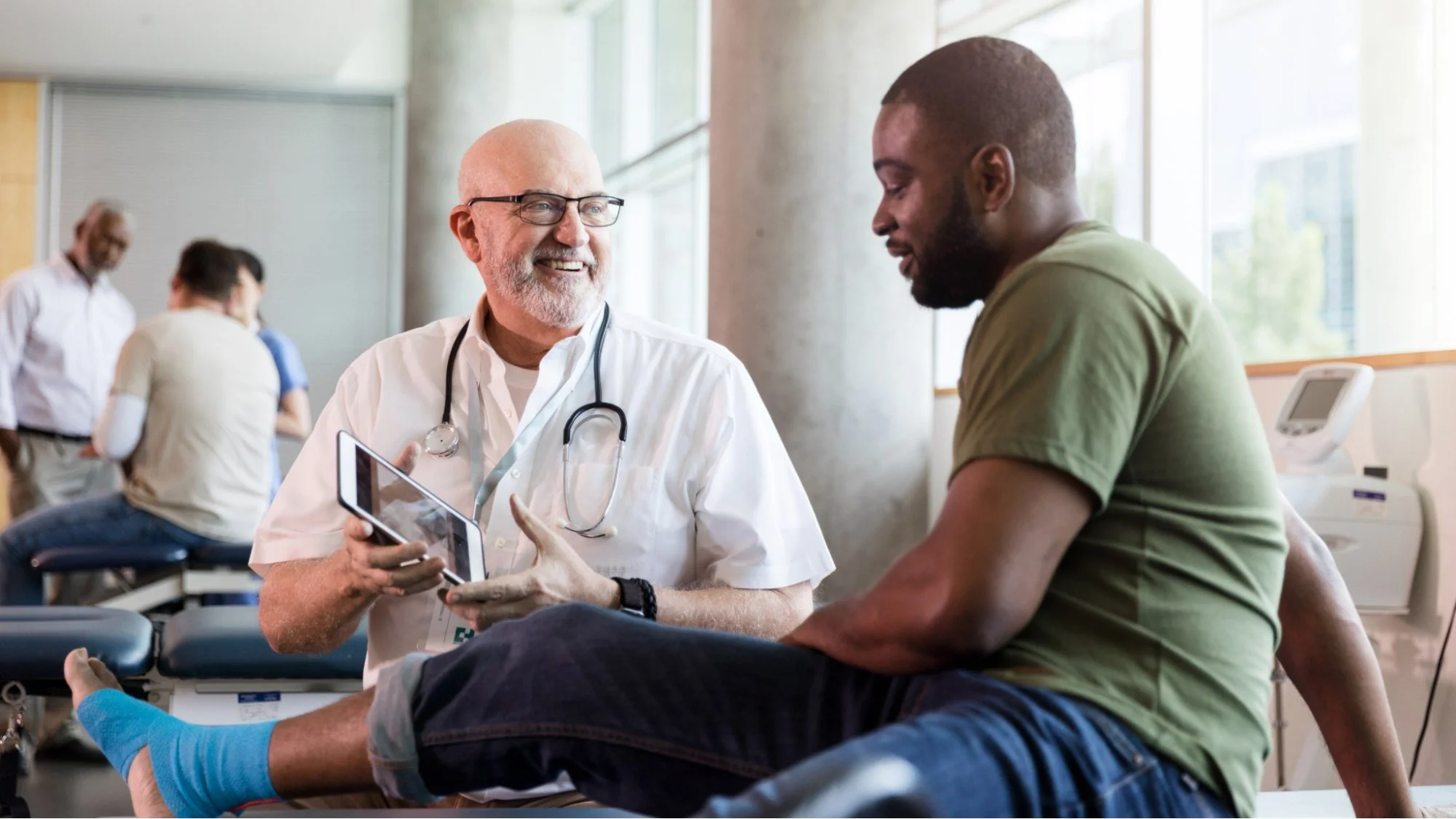
Psychedelic therapy typically includes three core phases — all of which can be supported ethically through preparation and integration therapy provided by clinics like FlowState Therapy in Ottawa.
1. Preparation Therapy (Before the Psychedelic Experience)
Preparation helps veterans ground themselves, clarify intentions, and build trust with a therapist.
Typical preparation work involves:
Understanding goals (trauma healing, emotional release, spiritual insight, etc.)
Exploring fears, expectations, and boundaries
Learning grounding + psychedelic tools for emotional regulation
Creating a safety plan and support system
Discussing legal pathways and avoiding unsafe/underground options
Preparation is essential for reducing risk and making the overall process more meaningful.
2. Integration Therapy (After the Experience)
Integration is where lasting change happens — and what FlowState Therapy specializes in.
Integration sessions help veterans:
Process insights, emotions, and memories
Understand symbolic or spiritual experiences
Reduce overwhelm or confusion
Apply lessons to daily life, relationships, and long-term healing
Build new patterns of meaning, purpose, and connection
Integration is crucial because psychedelic experiences can be intense, disorienting, or difficult to make sense of without guidance.
Why Psychedelic Therapy May Benefit Veterans Specifically
Psychedelic therapy aligns closely with the types of trauma veterans often experience.
1. Helps Address Moral Injury
Many veterans struggle with moral injury — emotional pain from actions or events that violated personal values.
Psychedelic approaches may support:
Self-forgiveness
Compassion for past versions of oneself
Understanding of impossible choices
Reconnection to purpose and humanity
2. Supports Emotional Reconnection
Veterans often describe being:
emotionally shut down
chronically hypervigilant
detached from loved ones
“numb” or “on autopilot”
These states are survival adaptations. Psychedelic therapy, paired with skilled integration, may help veterans reconnect with emotion in a grounded, safe way.
3. Addresses Trauma Stored in the Body
FlowState Therapy's trauma-informed approach is especially important.
Veterans often carry trauma physically:
tension
insomnia
chronic pain
digestive issues
jaw clenching
panic sensations
4. Offers Hope When Suicidal Thoughts Are Present
While no psychedelic treatment should ever be portrayed as a cure, research does suggest potential benefits for individuals experiencing suicidality. And psychedelic therapy for suicide prevention is how it can help veterans:
build crisis plans
explore meaning
reconnect to life
reduce isolation
stabilize after difficult emotional states
Veterans deserve modalities that offer both safety and hope, and psychedelic-informed therapy may support that goal.
How FlowState Therapy in Ottawa Supports Veterans
FlowState Therapy offers:
Trauma-informed psychotherapy
Pre-journey preparation support
Guidance for individuals exploring legal psychedelic pathways
Post-experience emotional processing
Safe, grounded, non-judgmental care
Your team provides psychedelic therapy for veterans in Ottawa by focusing on the therapeutic components that are safe, legal, and evidence-informed.
Final Thoughts
More veterans are turning to psychedelic therapy because they're searching for real healing, not just symptom management. Research suggests psychedelic-assisted healing may help with trauma processing, emotional reconnection, and meaning-making. While access in Canada remains regulated, veterans can still benefit immensely from preparation and integration therapy, which FlowState Therapy offers safely and professionally.
Explore Safe, Trauma-Informed Support for Psychedelic Therapy in Ottawa
If you're a veteran looking for grounded, therapeutic guidance, FlowState Therapy offers preparation and integration support for psychedelic therapy for veterans. Our team provides trauma-informed care that helps you process experiences, rebuild meaning, and explore healing pathways safely and ethically. You don't have to navigate this alone; we're here to support every step.
