Can Psychedelic Therapy Reduce Suicidal Thoughts in Veterans?
Psychedelic therapy shows scientifically promising potential for reducing suicidal thoughts in veterans, but it is not yet an approved suicide-prevention treatment in Canada.
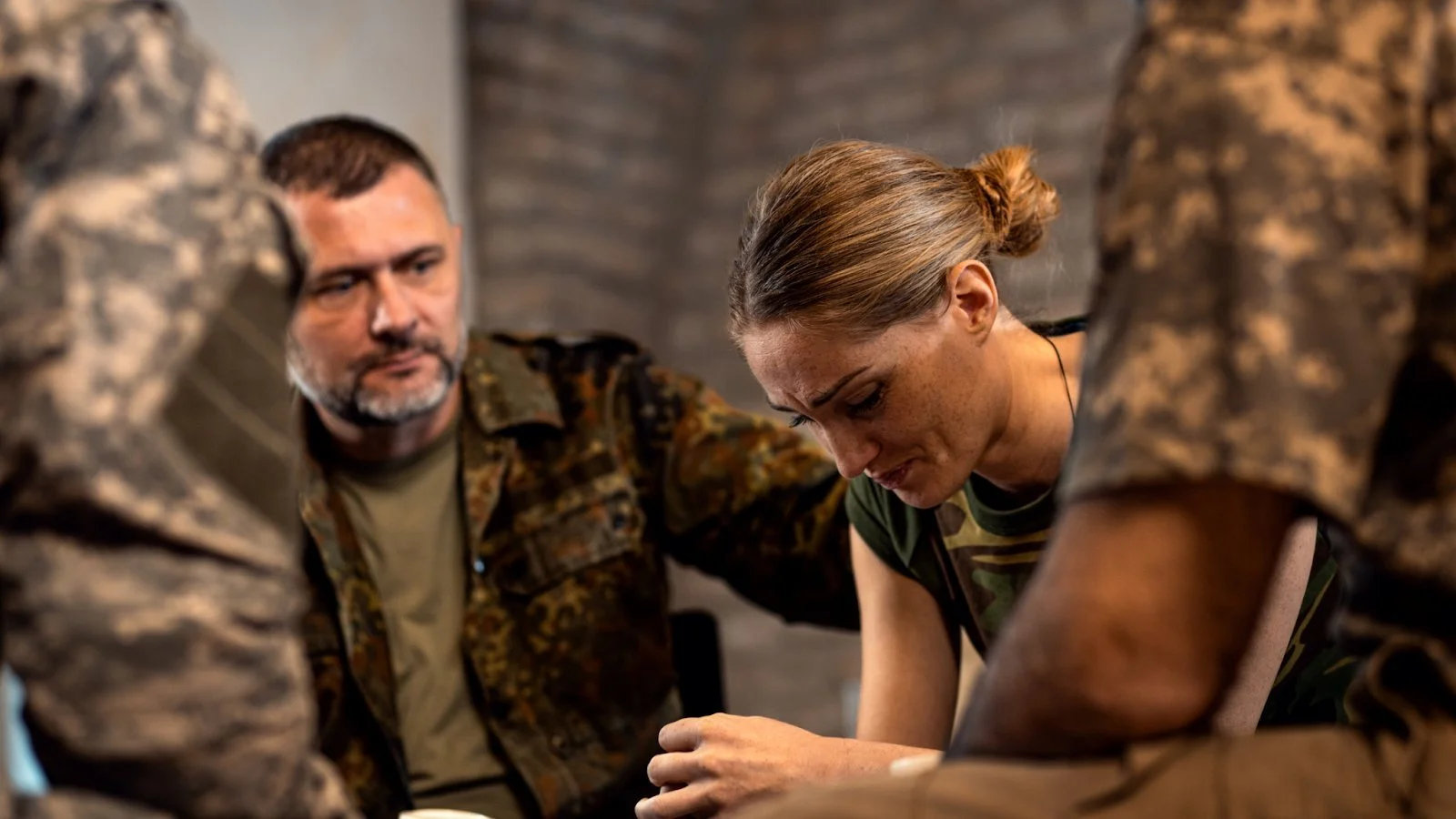
Early studies suggest that psychedelic-assisted psychotherapy may help lessen the emotional burden of PTSD, depression, and moral injury, conditions that significantly elevate suicide risk. However, veterans in Ottawa and across Canada must access these therapies through regulated pathways, while continuing evidence-based care for mental health and trauma.
Suicide risk among veterans remains a critical and heartbreaking public-health concern. Many former service members face treatment-resistant PTSD, chronic depression, emotional numbness, and a deep sense of isolation after years of service. With increasing media coverage around psychedelic therapy suicide prevention research, many ask whether these therapies could offer relief when conventional treatments haven't worked. This blog explains what the science tells us, what remains unknown, how these treatments fit into Canada's regulatory landscape, and where veterans can find safe support today.
Key Takeaways
Research suggests psychedelic therapy in Ottawa may help reduce suicidal thoughts indirectly by treating PTSD and depression, the core drivers of suicide risk among veterans.
Psychedelics are not authorised for suicide prevention in Canada, and any use must occur under structured legal pathways.
Veterans in Ottawa can benefit from supportive, trauma-informed therapy even without psychedelic substances.
A safe, integrative approach can help veterans prepare for clinical trials, process difficult emotions, and build long-term resilience.
Healing is possible, and support is available right now.
What the Research Currently Shows
Research into psychedelic-assisted therapy for PTSD and depression has produced encouraging insights, especially among military veterans participating in structured clinical programs. While not definitive, the early data are meaningful and worth understanding.
Key Points:
Psychedelics may enhance neuroplasticity, allowing the brain to process traumatic memories more flexibly and less defensively.
Emotional openness and reduced avoidance during therapy sessions may allow individuals to work through trauma in ways traditional talk therapy cannot always reach.
Improvements in depressive symptoms have been noted in several psilocybin studies, which indirectly support suicide-prevention outcomes.
Understanding Psychedelic Therapy in Canada
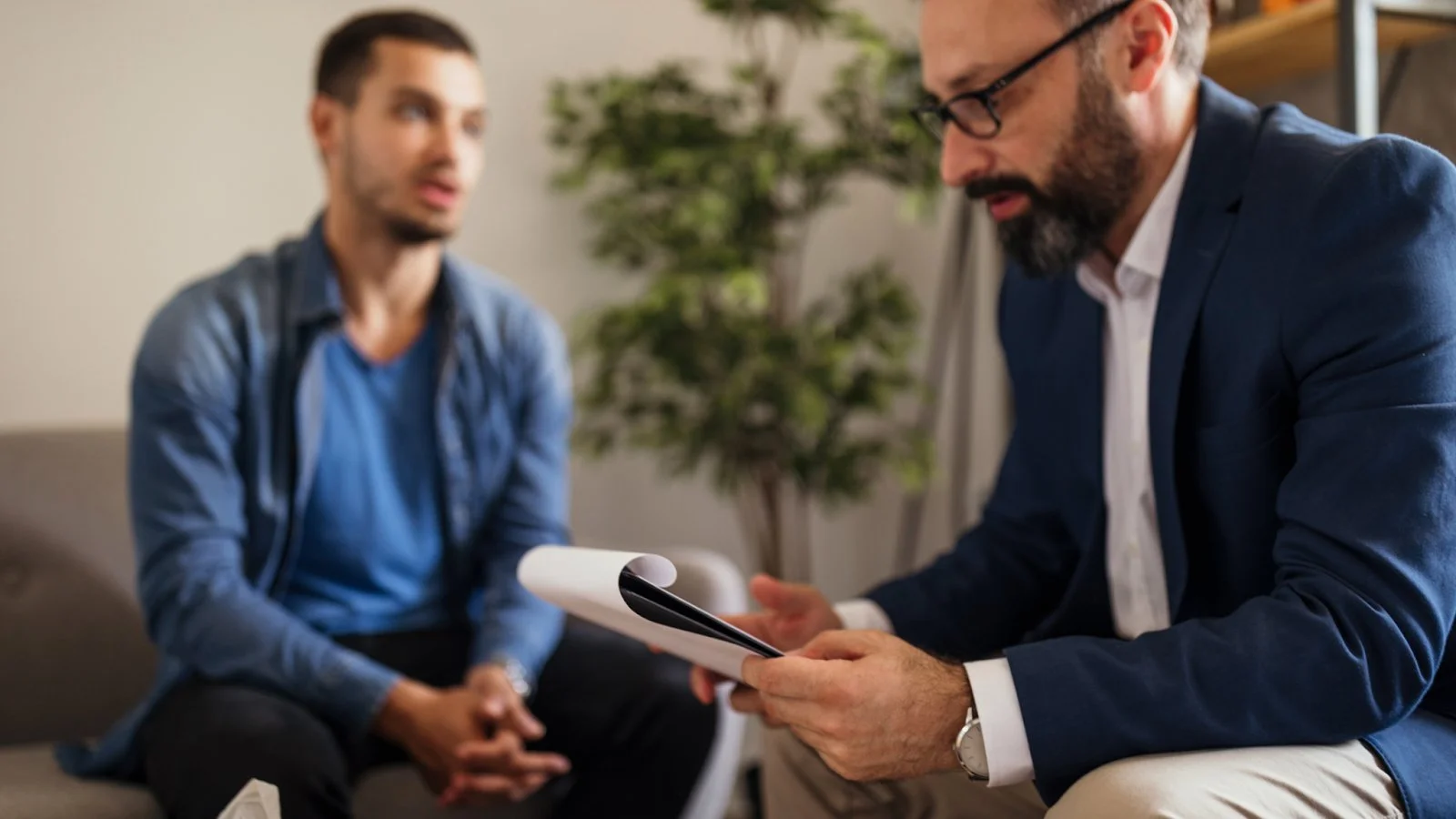
Psychedelic-assisted therapy services in Ottawa are tightly regulated. Veterans interested in exploring these treatments should understand where they can legally participate and what the therapeutic process involves.
Key Points:
Health Canada only allows psychedelic use through clinical trials, Section 56 exemptions, or physician-approved special access for specific medical circumstances.
Veterans who participate typically engage in three phases:
Preparation sessions to establish safety, goals, and emotional readiness
Facilitated dosing sessions conducted by trained clinicians
Integration therapy afterward to process insights and align them with long-term healing
Non-drug supportive therapy, such as trauma therapy or integration work offered by clinics like FlowState Therapy in Ottawa, can help veterans prepare safely and process non-ordinary experiences even if they are not using psychedelic substances.
Psychedelic therapy for veterans is deeply rooted in psychotherapy, not just the medicine itself.
How Psychedelic Therapy May Reduce Suicidal Thoughts in Veterans
Researchers believe psychedelic-assisted therapy may influence several mechanisms that affect suicide risk in those with PTSD and depression. While more research is needed, the emerging patterns are noteworthy.
Key Mechanisms:
Improved emotional processing: Veterans often report being able to revisit traumatic memories without the overwhelming fear response that normally blocks healing.
Reduction in avoidance and numbing: Avoidance is a central component of PTSD and strongly associated with chronic suicidal thoughts.
Enhanced meaning-making: Some participants describe increased clarity, purpose, or compassion after therapy, as protective factors against crises.
Lower depression severity: Studies show significant decreases in depressive symptoms after guided psychedelic sessions.
Greater therapeutic openness: Psychedelic therapy may accelerate or deepen the effectiveness of established therapies like CBT.
Comparison With Other Evidence-Based Treatments
Veterans often want to understand how psychedelic therapy compares with existing treatments. Each treatment works differently, and no single approach fits everyone.
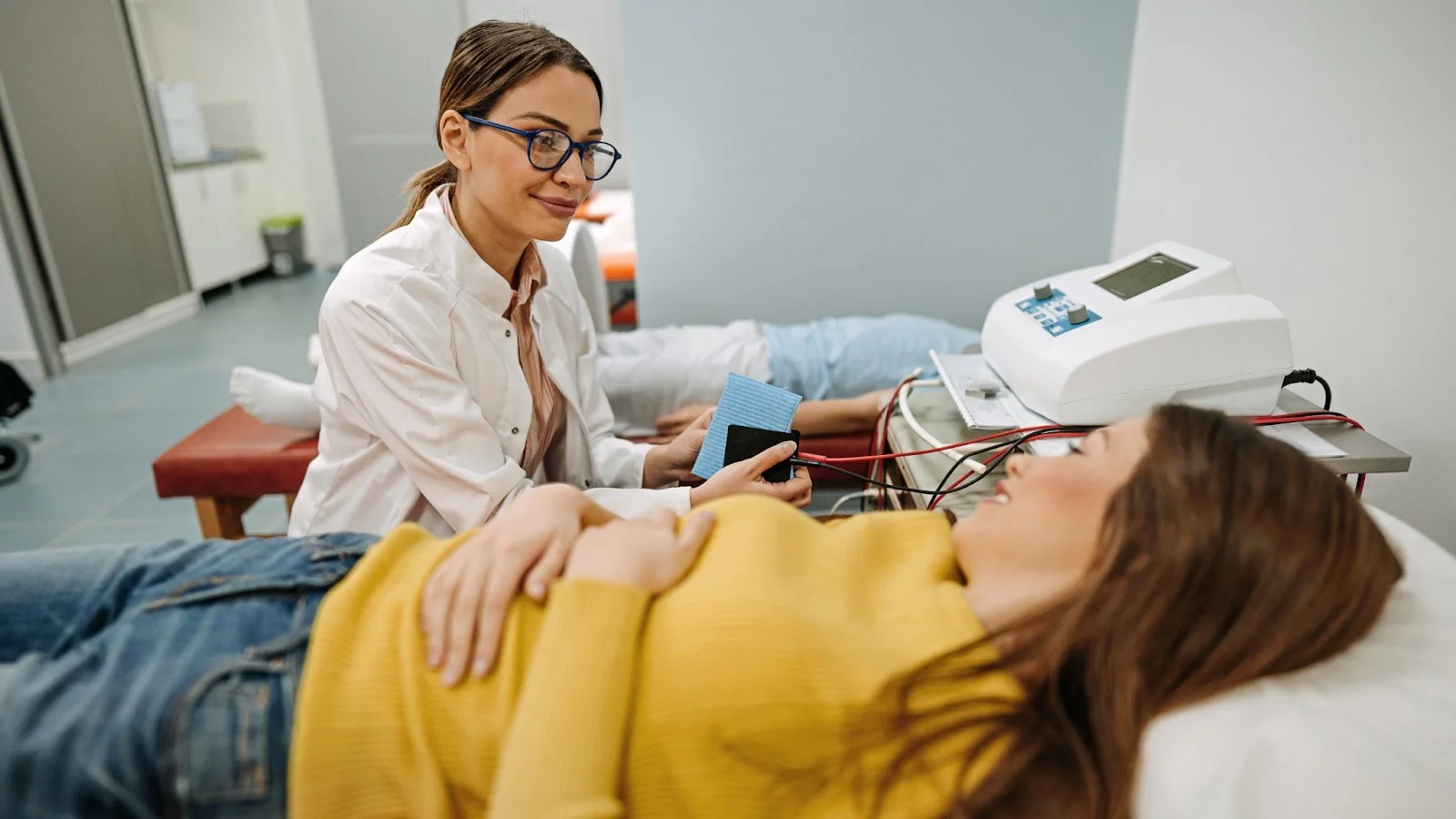
Key Comparisons:
TMS (Transcranial Magnetic Stimulation):
Approved in Canada for treatment-resistant depression
Non-invasive and medication-free
Has evidence supporting reductions in suicidal ideation
Ketamine therapy:
Legally available in Canadian medical settings
May rapidly reduce acute suicidal thoughts for some patients
Psychotherapy (CBT):
Remains the foundation of trauma recovery
Works best when clients feel emotionally able to engage
Integrative approaches:
Breathwork, mindfulness, nervous-system stabilization, body-based therapy
Provide essential grounding before and after therapeutic breakthroughs
Safety Considerations for Veterans

Because psychedelic therapy can produce intense emotional experiences, safety must always be the priority. Not everyone is a good candidate, and screening is essential.
Key Safety Notes:
Psychedelic therapy is not appropriate during an active suicidal crisis.
Individuals with a history of psychosis, bipolar I, or certain cardiovascular conditions may be advised against psychedelic exposure.
All dosing should occur in regulated environments with trained professionals, not recreational settings.
Integration is crucial: insights without guidance can become destabilizing.
Veterans should maintain ongoing contact with their primary care provider or mental-health clinician throughout treatment.
Frequently Asked Questions
-
No. They may only be used in approved research trials or through Health Canada exemptions.
-
Early studies suggest meaningful improvement in PTSD symptoms, which may support suicide-prevention outcomes indirectly.
-
Local integrative therapy providers can help veterans with preparation, emotional stabilization, and long-term trauma support while respecting Canadian regulations.
Conclusion
Psychedelic therapy offers real scientific promise for easing the PTSD and depression that often drive suicidal thoughts in veterans, but it is not an approved suicide-prevention treatment in Canada. What veterans can rely on today is safe, trauma-informed support, evidence-based therapy, and regulated pathways when appropriate. With the right guidance, veterans can begin healing, rebuild stability, and move toward a life that feels more grounded and hopeful.
Get Support in a Safe, Legal, and Supportive Setting
If you're a veteran exploring psychedelic therapy or looking for stable trauma support, our therapists in Ottawa can help you understand your options, prepare safely, and work through the emotional weight of PTSD and depression. Book a confidential consultation today and get clear guidance for your next steps.
