VAC Benefits for Mental Health Therapy: What Veterans Can Access in Ottawa

VAC mental health benefits in Canada cover a range of therapy and assessment services for eligible veterans, including psychotherapy, trauma-focused treatment, and mental health assessments, often billed directly to Veterans Affairs Canada with no out-of-pocket cost. In Ottawa, veterans can access these benefits through clinics that work directly with VAC, PCVRS, and Medavie Blue Cross to coordinate care and reduce the paperwork burden on the veteran.
For many veterans, figuring out what's actually covered can feel more overwhelming than the decision to seek help in the first place. Between VAC, the Public Service Health Care Plan (PSHCP), and the Rehabilitation Services Program (PCVRS), there are several overlapping systems, and it isn't always clear which one applies to your situation or how to start the process. This blog explains what VAC mental health benefits typically include and how the process works. It also covers how veterans can access VAC therapy in Ottawa at clinics that handle billing and paperwork directly so that you can focus on your recovery instead of the administrative side of care.
What Are VAC Mental Health Benefits, and Who Can Access Them?
Veterans Affairs Canada provides mental health coverage for eligible former Canadian Armed Forces members, often extending to related conditions connected to service. Eligibility and coverage details can vary depending on your specific claim, diagnosis, and service history, which is why working with a clinic experienced in VAC processes can make a meaningful difference.
Available to veterans with an approved VAC disability claim related to a mental health condition.
May also apply to veterans pursuing a new claim who need a mental health assessment to support their application.
Can extend to related conditions like depression, anxiety, and substance use when connected to service.
Often coordinated alongside other benefits like the Rehabilitation Services Program (PCVRS) and Medavie Blue Cross.
Designed to reduce financial barriers to care, since many services can be billed directly to VAC.
What Types of Mental Health Support Does VAC Typically Cover?
VAC coverage isn't limited to a single type of service. Depending on your claim and needs, it can support several different stages of care, from initial assessment through ongoing treatment.
Mental health assessments: Structured evaluations, including the VAC Mental Health/Psychiatric Questionnaire, used to support new or ongoing disability claims.
Individual psychotherapy: Ongoing talk therapy sessions addressing PTSD, depression, anxiety, and related conditions.
Trauma-focused treatment: Approaches specifically designed to address the impact of traumatic experiences connected to military service.
Multidisciplinary care: Coordinated support involving psychotherapists, nurse practitioners, and other clinicians working together on a treatment plan.
How Does the VAC Claims and Assessment Process Actually Work?
Navigating a VAC claim can feel complicated, especially when you're also managing the symptoms that prompted the claim in the first place. Understanding the general process can make it feel more manageable, even if every situation looks a little different.
A mental health assessment is often required to support a new disability claim, using standardized VAC documentation.
Assessments are typically completed by a nurse practitioner and psychotherapist with experience in veteran and trauma-related care.
Many clinics offer both in-person assessments and secure virtual appointments for veterans outside major centres.
Once a claim is approved, ongoing therapy can often be billed directly to VAC, removing the need for veterans to pay upfront and seek reimbursement.
Turnaround times vary depending on the complexity of the case and VAC's own processing timelines.
What Is Military PTSD, and How Is It Treated in Ottawa?
Military PTSD develops from exposure to traumatic events during service, such as combat, injury, or witnessing harm to others, and it can show up years after active duty ends. Effective military PTSD treatment in Ottawa clinics typically combines trauma-informed psychotherapy with an understanding of military culture, since generic approaches often miss the specific context veterans are navigating.
Intrusive memories, nightmares, or flashbacks connected to specific incidents
Hypervigilance or feeling constantly on alert, even in safe environments
Avoidance of reminders, conversations, or situations connected to service
Difficulty transitioning to civilian routines, relationships, and identity
Emotional numbness or disconnection from family and friends
Treatment typically focuses on processing these experiences at a manageable pace while also addressing the practical challenges of adjusting to civilian life after service.
What Is Moral Injury, and Why Does It Matter for Veterans?
Moral injury is distinct from PTSD, though the two often occur together in veterans. It refers to the lasting psychological impact of actions taken, witnessed, or failed to prevent during service that conflict with a person's own moral values, rather than a fear-based trauma response.
Can result from decisions made under extreme pressure that go against personal values.
Often involves guilt, shame, or a sense of having betrayed one's own conscience.
Differs from fear-based trauma, which centres more on danger and survival responses.
Requires a therapeutic approach that addresses meaning, identity, and self-forgiveness, not just fear reduction.
Moral injury therapy veterans access in Ottawa typically incorporates trauma-informed psychotherapy alongside space to process these value conflicts directly.
What Therapy Approaches Are Available to Veterans Through VAC Coverage?
Because veterans' experiences vary widely, effective treatment usually draws from a combination of approaches rather than a single method. VAC-covered care can include several evidence-based options depending on the individual's needs and clinical recommendation.
Trauma-informed psychotherapy: Addresses the specific experiences and context of military service at a pace that feels manageable.
Cognitive and behavioural strategies (CBT/DBT): Practical tools for managing anxiety, irritability, and intrusive thoughts.
Mindfulness-based approaches: Techniques that help regulate an overactive nervous system.
Neurofeedback (brain training): A non-invasive option supporting the brain's ability to regulate itself.
For veterans who haven't found relief through conventional approaches, some clinics also offer emerging, evidence-informed options; see our related post on psychedelic therapy for veterans for a closer look at this option.
How Do Veterans Access VAC-Covered Therapy in Ottawa?
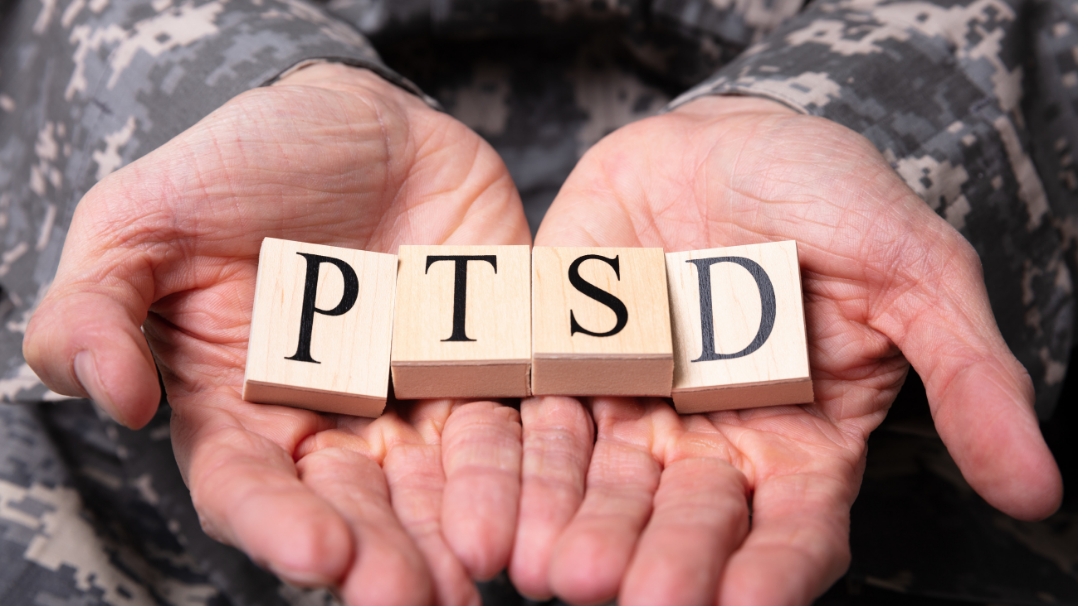
Getting started with VAC-covered care in Ottawa doesn't have to mean managing multiple systems on your own. Many clinics are set up specifically to reduce the administrative load for veterans navigating PTSD therapy in Ottawa services.
Reach out to a clinic experienced in VAC billing and documentation.
Confirm whether you have an existing VAC claim or need an assessment to support a new one.
Ask whether the clinic bills VAC directly, which removes out-of-pocket costs for many veterans.
Clarify whether in-person or virtual sessions better fit your location and schedule.
Why Choose FlowState Therapy for VAC Mental Health Support in Ottawa?
FlowState Therapy works directly with Veterans Affairs Canada, PCVRS, and Medavie Blue Cross to coordinate care for veterans, reducing the administrative burden that often comes with navigating multiple systems. Our downtown Ottawa clinic, along with secure virtual appointments across Canada, was built to support veterans with trauma-informed, compassionate care that understands military culture.
Direct VAC billing available, with no out-of-pocket cost for many services.
Completion of the VAC Mental Health/Psychiatric Questionnaire and related documentation.
Multidisciplinary team including nurse practitioners and psychotherapists experienced in veteran care.
Nationwide assessment access by secure telehealth, alongside in-person sessions in Ottawa.
Support for PTSD, depression, anxiety, and moral injury connected to military service.
Frequently Asked Questions
-
VAC coverage can include mental health assessments, individual psychotherapy, and trauma-focused treatment for PTSD, depression, and anxiety connected to military service, often billed directly to VAC.
-
Not necessarily. Some veterans access an assessment specifically to support a new disability claim, while others already have an approved claim and are seeking ongoing treatment.
-
Yes. Many VAC-focused clinics, including FlowState Therapy, offer secure virtual assessments and therapy sessions across Canada for veterans who live outside major centres.
-
PTSD centres on fear-based trauma responses like hypervigilance and intrusive memories, while moral injury involves guilt or shame connected to actions that conflicted with personal values during service. Many veterans experience elements of both.
-
Timelines vary depending on the complexity of the case and VAC's own processing schedule, though clinics experienced in this process can often help keep things moving efficiently.
Final Thoughts
Understanding your VAC mental health benefits shouldn't be another burden on top of what you're already carrying. With the right support, accessing covered therapy in Ottawa can be straightforward, respectful of your service, and focused on real recovery.
If you're a veteran ready to explore what VAC mental health benefits Canada can offer you, FlowState Therapy is here to help you navigate the process and get the care you need.
Ready to Access the Mental Health Support You've Earned?
You served, and that service came with a cost that deserves proper support, not more paperwork and delays. FlowState Therapy handles VAC billing and documentation directly, so you can focus on your recovery instead of navigating the system alone.
Book your free 15-minute consultation today and take the first step toward accessing the mental health care you're entitled to.
