PTSD Therapy for Veterans Ottawa: Specialized Trauma Care
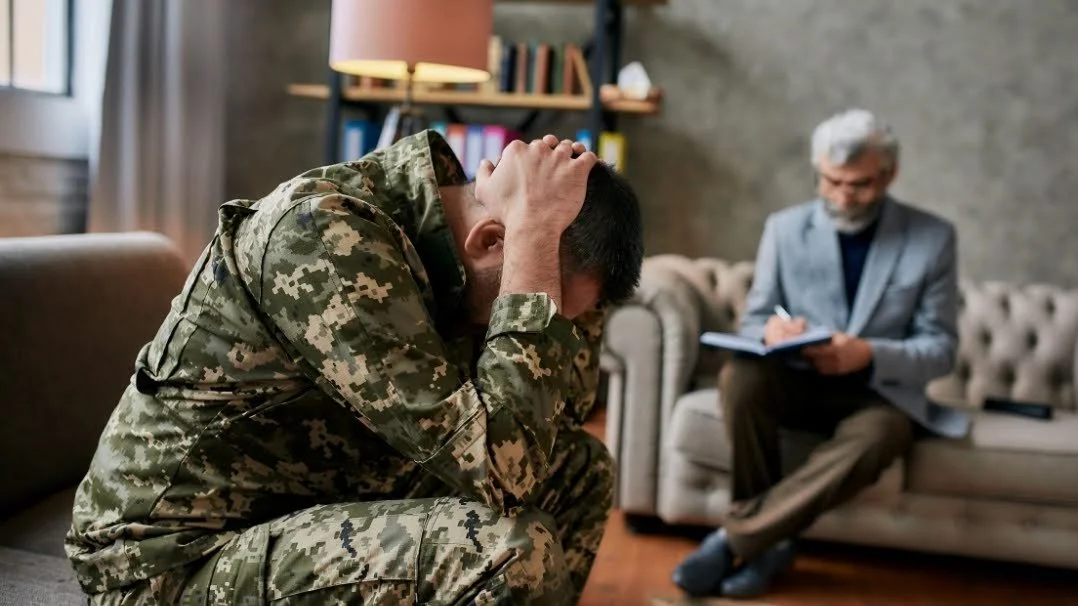
PTSD therapy for veterans in Ottawa involves evidence-based, trauma-informed psychological treatment tailored to the unique experiences of military service members. Specialized trauma care focuses on helping veterans process combat-related or service-related trauma, regulate their nervous system, and reduce symptoms such as hypervigilance, intrusive memories, emotional numbing, and sleep disturbance. Veterans face distinct psychological stressors that differ from civilian trauma, making targeted, culturally informed care essential.
In Canada, Post-Traumatic Stress Disorder (PTSD) is recognized as a significant health concern among veterans. According to Veterans Affairs Canada, PTSD can develop after exposure to traumatic events such as combat, life-threatening operations, or military accidents. Effective therapy requires structured, research-supported approaches delivered in a safe and respectful clinical environment. This guide answers the most important questions veterans ask about PTSD therapy in Ottawa.
What Is PTSD and Why Does It Affect Veterans Differently?
PTSD (Post-Traumatic Stress Disorder) is a mental health condition that may develop after experiencing or witnessing traumatic events.
Common PTSD symptoms include:
Intrusive memories or flashbacks
Nightmares
Hypervigilance or exaggerated startle response
Emotional detachment
Avoidance of reminders of trauma
Irritability or anger
Difficulty sleeping or concentrating
Veterans may experience PTSD differently because:
Military training emphasizes survival responses.
Combat environments involve prolonged exposure to life-threatening stress.
Moral injury (guilt, ethical conflict, or loss of meaning) may accompany trauma.
Transitioning to civilian life can intensify symptoms.
What Types of PTSD Therapy Are Recommended for Veterans?
Evidence-based psychotherapy remains the first-line treatment for PTSD in Canada.
1. Trauma-Focused Cognitive Behavioral Therapy (TF-CBT)
This approach helps veterans:
Identify trauma-related thought patterns
Challenge unhelpful beliefs
Reduce avoidance behaviours
Build coping strategies
Nervous System Regulation
Trauma impacts the body as well as the mind. Therapy may include:
Breathwork techniques
Grounding exercises
Body awareness practices
Emotional regulation strategies
These approaches help calm hyperarousal and restore a sense of safety.
Psychedelic-Informed Therapy for Veterans (When Clinically Appropriate)
Some veterans experience treatment-resistant PTSD, meaning symptoms persist despite standard therapies. Under professional medical supervision and clinical assessment, psychedelic therapy for veterans may support:
Emotional processing
Increased psychological flexibility
Trauma integration
This approach involves:
Pre-treatment psychological assessment
Medical screening by a qualified practitioner
Structured therapeutic preparation
Integration sessions following treatment
It is not a standalone treatment but part of a comprehensive therapeutic plan.
How Does PTSD Therapy in Ottawa Address Veteran-Specific Needs?

Specialized care considers:
Military identity and culture
Reintegration challenges
Exposure to combat environments
Co-occurring anxiety or depression
Substance use risks
Therapists experienced in working with veterans understand:
The importance of trust and confidentiality
Hesitation around seeking help
The value of structured treatment plans
How Long Does PTSD Therapy Take?
Treatment length varies based on:
Severity of symptoms
Duration of trauma exposure
Co-occurring conditions
Treatment modality used
Short-term structured therapies may last 8–16 sessions. More complex trauma histories may require longer-term work.
There is no "quick fix," but consistent therapy improves symptom management and quality of life.
What Is Treatment-Resistant PTSD?
Treatment-resistant PTSD refers to persistent symptoms despite prior therapy or medication.
Indicators may include:
Limited improvement after multiple treatment attempts
Ongoing flashbacks or panic
Chronic sleep disruption
Severe avoidance
In such cases, alternative evidence-informed approaches may be explored under medical supervision.
What Should Veterans Expect During Their First Therapy Session?
A typical first session includes:
Clinical intake and history review
Discussion of trauma experiences (at the client's pace)
Symptom assessment
Goal setting
Explanation of treatment options
Veterans are never required to disclose traumatic details before they feel ready. Therapy progresses gradually and collaboratively.
How Does Therapy Help Reduce PTSD Symptoms?
PTSD therapy supports recovery by:
Reducing emotional reactivity
Reframing trauma-related beliefs
Improving sleep patterns
Enhancing coping strategies
Strengthening relationships
Building resilience
Neuroscience research shows that structured therapy can help the brain reprocess trauma and reduce chronic stress activation.
What Questions Do Veterans Commonly Ask?
-
Yes. Avoidance is a core symptom of PTSD. Therapy gently addresses avoidance over time.
-
Temporary emotional discomfort can occur during trauma processing, but therapy is paced carefully to maintain safety.
-
In most cases, a referral is not required for private therapy services, but insurance plans may require documentation.
-
Some symptoms may lessen over time, but structured treatment significantly improves outcomes.
-
Certain medical frameworks allow supervised use in controlled clinical settings. Eligibility requires assessment by a qualified provider.
What Makes Ottawa Therapy for Veterans Important?
Access to local, specialized care allows veterans to:
Receive culturally informed therapy
Access insurance-covered services
Attend consistent in-person or structured sessions
Build long-term therapeutic relationships
Proximity improves continuity of care and follow-through.
Key Takeaways
PTSD is common among veterans due to military trauma exposure.
Evidence-based psychotherapy is the standard of care.
Nervous system regulation techniques support symptom reduction.
Treatment-resistant cases may explore additional supervised approaches.
Early intervention improves long-term recovery outcomes.
Conclusion
If you are seeking PTSD therapy for veterans in Ottawa, specialized trauma-informed care is available locally. Evidence-based psychotherapy, nervous system regulation strategies, and clinically supervised integrative approaches can support meaningful recovery when delivered by experienced professionals.
Ready to Take the First Step Toward Trauma Recovery?
For those exploring Ottawa therapy for veterans, FlowState Therapy provides structured trauma care and assessment for appropriate treatment options, including psychedelic-informed therapy for veterans when clinically indicated. A consultation can help determine the safest and most suitable next steps.
