Virtual Therapy in Ottawa: Is Online Counselling Effective?
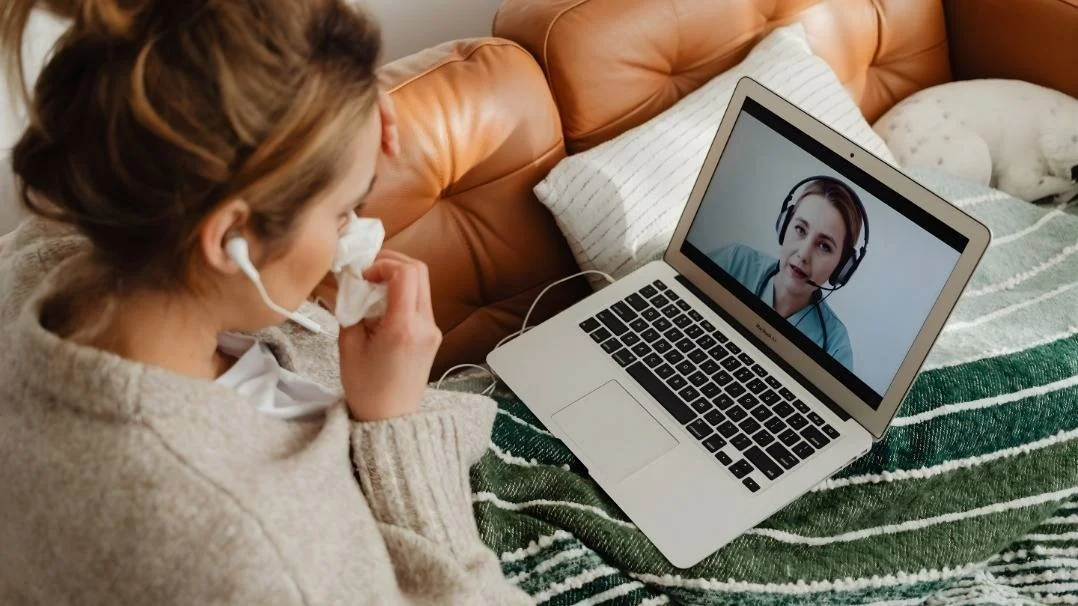
If you're wondering whether virtual therapy Ottawa options are truly effective, the evidence-based answer is: Yes. Online counselling can be as effective as in-person therapy for many common concerns when it's delivered by a qualified clinician and is a good fit for your needs. In practice, many clients also find they attend more consistently and open up more easily when therapy is accessible from home, which can strengthen outcomes over time.
In Ottawa, virtual sessions have become a practical, research-supported way to access psychotherapy for concerns like anxiety, depression, stress, trauma/PTSD, and relationship challenges, without adding commute time, weather stress, or scheduling barriers. At FlowState Therapy, virtual care is offered alongside in-person sessions, with a client-centred, Ottawa counselling services and a free introductory consultation to help you find the right fit.
Does Therapy Still "Work" When It's Done Over Video?
For many people and many goals, yes, especially when sessions are structured, private, and guided by evidence-based methods.
A large systematic review and meta-analysis found little to no difference between therapist-guided remote CBT and in-person CBT across a range of mental health outcomes.
Canadian health-technology evidence summaries also report comparable clinical effectiveness for virtual mental health counselling versus in-person for conditions like depression, anxiety disorders, and PTSD (with some variation by population and setting).
What this means for you: If your main goal is to reduce symptoms, build coping skills, process trauma safely, or improve day-to-day functioning, virtual sessions can be a strong option, particularly when you have a steady routine and a private space.
What Makes Online Counselling Effective (And When Does It Fall Short)?
Outcomes depend less on the screen and more on fit + quality + consistency.
Virtual therapy tends to work best when:
You can meet in a private, interruption-free space.
You have reliable internet and a device with video/audio.
Your concerns are appropriate for outpatient psychotherapy (common examples: anxiety, depression, stress/burnout, trauma symptoms, relationship issues).
You're working with a clinician using research-supported approaches (examples at FlowState Therapy include CBT, DBT, neurofeedback, and more).
Virtual therapy may be less suitable (or need extra planning) when:
You're currently in a mental health emergency or are at immediate risk of harm.
You're experiencing severe symptoms that make it hard to stay grounded without in-person support.
Your environment isn't private or safe enough to talk openly.
If any of the above apply, a clinician can help you choose the safest level of care and whether virtual, in-person, or blended support makes the most sense.
What Concerns Can Virtual Sessions Help With?

Many of the same concerns treated in person can be addressed virtually.
At FlowState Therapy, psychotherapy can support clients navigating:
Anxiety (including persistent worry, panic symptoms, social anxiety patterns)
Depression (low mood, motivation changes, negative self-talk)
PTSD and trauma-related symptoms
Chronic stress and burnout
Relationship concerns (including couples therapy)
Personal growth and emotional resilience
If you're exploring care pathways or coverage (e.g., WSIB, veterans' supports), FlowState Therapy also outlines dedicated services for those communities.
If I Want Skills-Based Therapy, Can I Still Do That Virtually?
Yes, skills-based therapies often translate extremely well online. For example, CBT is structured and goal-oriented, and it can be delivered effectively via secure video. Research on internet-delivered and video-delivered CBT supports meaningful symptom improvement for many people, particularly for anxiety and depression.
What that can look like in sessions (examples):
Identifying unhelpful thought patterns and testing alternatives
Learning emotional regulation tools (often included in DBT-informed work)
Building exposure plans or behavioural experiments (done safely and gradually)
Between-session practices to strengthen carryover into real life
If you're specifically looking for CBT therapy, you can ask for a clinician whose approach includes CBT and related evidence-based methods as part of a personalized plan.
Is It Actually "Secure" And Private?
It can be, if your provider uses a secure platform and you take a few privacy steps at home.
To protect your privacy during virtual sessions:
Use headphones when possible.
Choose a room where others can't overhear.
Consider white noise outside the door if you live with roommates/family.
Use a password on your device and a secure home network.
If privacy at home is difficult, some clients choose a parked car, a quiet private room, or another safe location where they can speak freely.
Why Do Some People Feel Online Counselling Works Better For Them?
The biggest "bonus effect" of virtual care is often consistency.
When you remove obstacles like commuting, weather, childcare logistics, or time off work, it becomes easier to keep appointments, and therapy often works best when it's steady enough to build momentum.
Common reasons people prefer virtual sessions:
Less time lost to travel
Easier scheduling around work or caregiving
Comfort talking from a familiar environment
Better accessibility for people with mobility challenges or chronic illnesses
These benefits are also frequently emphasized by Ottawa-area therapy providers as practical reasons virtual care supports follow-through.
What Should I Expect In My First Virtual Appointment?
Most first sessions are about clarity and fit, then building a plan.
At FlowState Therapy, you can start with a free 15-minute consultation to ask questions and find the right match. From there, the process typically includes:
Understanding what's bringing you in and what you want to change
Identifying patterns (thoughts, emotions, behaviours, nervous system responses)
Agreeing on goals and choosing approaches (CBT/DBT, trauma-informed approaches, including neurofeedback when clinically appropriate, etc.)
Planning frequency and next steps
How Do I Know If Virtual Therapy Is The Right Choice For Me In Ottawa?
A good "fit check" is whether virtual sessions will help you show up consistently and feel safe enough to be honest.
Virtual therapy is often a good fit if:
You want consistent support, but time/transportation is a barrier
Your symptoms are manageable in an outpatient setting
You're motivated to practice skills between sessions
You might consider in-person or blended care if:
You find it hard to feel grounded on video
Home privacy is limited
Your symptoms intensify without in-room support
A short consult can help you decide quickly, without committing to a long process upfront.
Frequently Asked Questions About Virtual Therapy in Ottawa
-
In many cases, yes. Most extended health insurance plans cover psychotherapy, whether sessions are virtual or in person. Coverage depends on your provider and plan, so it's best to confirm directly with your insurer.
-
Yes. Many clients start virtually and later move to in-person or blended care if their needs or preferences change. A clinician can help you decide what works best over time.
-
Virtual therapy can be appropriate for trauma-related concerns when delivered by a qualified clinician using evidence-based approaches and when the client feels safe and supported in their environment.
-
A short consultation can help you assess comfort, communication style, and therapeutic approach. Feeling understood and safe is more important than whether sessions are online or in person.
Conclusion: Is Virtual Therapy in Ottawa Effective?
For many people, virtual therapy is a practical, effective way to access mental health support without added barriers. When care is evidence-based, delivered by qualified clinicians, and matched to your needs, online counselling can support meaningful progress in areas like anxiety, depression, trauma, stress, and relationships. The key factors are fit, consistency, and feeling safe enough to engage honestly in the process.
Ready to Explore Virtual Therapy in Ottawa?
Book a Virtual Consultation With FlowState Therapy
If you're considering virtual therapy in Ottawa and want to understand whether it's the right fit for you, a brief consultation can help clarify your options. FlowState Therapy offers virtual and in-person counselling with a client-centred, evidence-based approach.
