5 Signs You May Have Complex PTSD and What Therapy Options Are Available

This article is for general educational purposes only and does not provide medical or mental health advice, diagnosis, or treatment. Experiencing some of these symptoms does not necessarily mean you have complex PTSD. A qualified mental health professional can assess your individual situation and discuss appropriate support.
Why can you feel unsafe even when you know you're not in danger? Why might certain situations trigger intense emotions, shutdown, or anxiety that seem difficult to explain?
For people who have experienced prolonged or repeated trauma, these patterns may be associated with complex post-traumatic stress disorder (CPTSD).
Complex PTSD can involve more than traumatic memories. It may also affect emotional regulation, self-image, relationships, and your sense of safety.
Below, we'll look at five possible signs of complex PTSD, what complex PTSD therapy can involve, and how a therapist can help determine an appropriate treatment approach.
What Is Complex PTSD?
Complex PTSD is a trauma-related condition included in the World Health Organization's ICD-11. It includes the core symptoms of PTSD along with additional difficulties involving emotional regulation, negative self-concept, and relationships.
The ICD-11 distinguishes complex PTSD from PTSD by these additional difficulties, sometimes referred to as disturbances in self-organization.
Complex trauma can be associated with prolonged or repeated traumatic experiences, including childhood abuse, neglect, or ongoing interpersonal trauma. However, a particular type of trauma is not required for an ICD-11 CPTSD diagnosis.
Because symptoms can overlap with other mental health conditions, it is not possible to determine whether you have CPTSD based on symptoms alone. A qualified professional can help assess what you're experiencing.
5 Signs You May Have Complex PTSD
Let’s take a look at the 5 signs you may have complex PTSD:
1. You feel constantly on guard or easily overwhelmed.
Do you scan your surroundings for danger, startle easily, or struggle to relax even when things appear safe?
You may experience anxiety, irritability, sleep difficulties, racing thoughts, or strong reactions to situations that remind you of earlier experiences.
For example, you might know you're safe at home but still feel unable to relax, repeatedly check things, or react strongly to unexpected sounds.
You may even wonder, "I know I'm safe, so why don't I feel safe?"
If these reactions are affecting your everyday life, PTSD therapy in Ottawa can provide a space to explore them with a qualified professional.
2. You struggle to regulate your emotions.
Complex trauma can affect how you respond to strong emotions.
You might become overwhelmed quickly, experience intense anger or fear, or find it difficult to calm down after something upsetting. At other times, you may feel emotionally numb or shut down.
For example, a short message from someone you care about might leave you feeling rejected or frightened, even when you know there could be another explanation.
Therapy can help you recognize emotional patterns, understand triggers, and develop healthier ways of responding to distress.
3. You feel disconnected, numb, or detached.
Trauma does not always make you feel more. Sometimes, it can leave you feeling less.
You may feel emotionally numb, disconnected from your surroundings, or distant from yourself. Some people also experience dissociation when they become overwhelmed or reminded of traumatic experiences.
For example, during a stressful conversation, you might suddenly feel detached from what is happening or have difficulty remembering parts of the interaction.
If you're searching for dissociation therapy in Ottawa, a trauma-informed assessment can help clarify what you're experiencing and what type of support may be appropriate.
4. You struggle with trust, relationships, or boundaries.
Do you find it difficult to trust people? Do you worry that others will leave or feel responsible for keeping everyone around you happy?
You might apologize when you haven't done anything wrong, avoid conflict because it feels unsafe, or pull away when a relationship becomes emotionally important.
Long-term trauma can affect how you understand yourself and other people. Therapy can provide a safe environment to explore these patterns without judging you for having them.
5. You carry persistent shame or a negative view of yourself.
Complex trauma can influence the way you see yourself.
You may constantly blame yourself, feel fundamentally flawed, or believe that what happened to you says something about your worth.
Even when you understand intellectually that an experience wasn't your fault, feelings of shame or self-blame can remain.
For people affected by early or prolonged trauma, childhood trauma therapy Ottawa can provide support for exploring these experiences at a manageable pace.
Key takeaway
Having one or more of these signs does not automatically mean you have complex PTSD. However, if these patterns persist and affect your emotions, relationships, sense of safety, or everyday life, talking with a qualified therapist may help you better understand what you're experiencing.
Explore FlowState Therapy's PTSD therapy Ottawa services to learn more about trauma-focused support.
What Therapy Helps With Complex PTSD?
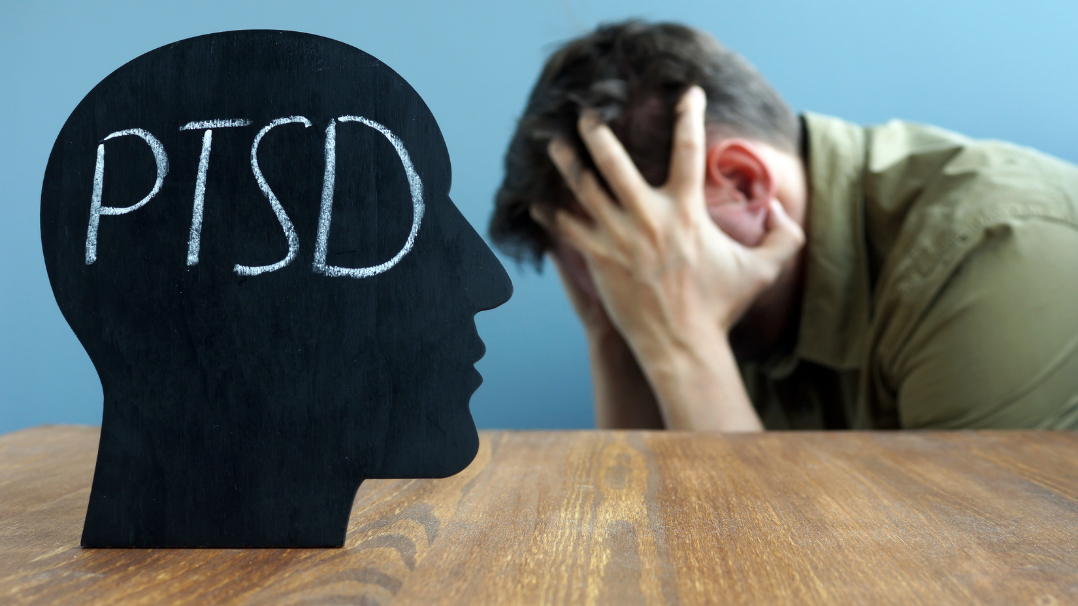
Complex PTSD therapy is not one-size-fits-all.
Treatment may take into account your symptoms, trauma history, current circumstances, goals, and previous experiences with therapy.
Research specifically focused on ICD-11 complex PTSD is still developing. However, existing PTSD treatments can benefit people with CPTSD, and treatment may be adapted to address additional difficulties involving emotional regulation, self-concept, and relationships.
Trauma-focused therapy
Trauma-focused approaches work directly with trauma-related thoughts, memories, emotions, or avoidance.
Depending on your needs, therapy may involve understanding how past experiences influence current reactions and gradually working with memories or situations that continue to cause distress.
If you're exploring therapy for PTSD, a qualified therapist can help you understand which approach may fit your symptoms, circumstances, and goals.
You do not need to determine the right treatment approach by yourself.
Cognitive Processing Therapy
Cognitive Processing Therapy, or CPT, is a structured form of trauma-focused psychotherapy. It can help people examine how trauma has affected their thoughts, beliefs, emotions, and daily life.
A therapist may help you identify unhelpful beliefs related to safety, trust, control, self-esteem, or responsibility and work through them in a structured way.
Prolonged Exposure
Prolonged Exposure, or PE, is another evidence-based, trauma-focused psychotherapy for PTSD.
It generally involves gradually approaching trauma-related memories, feelings, or situations that have been avoided within a structured therapeutic process.
Whether this type of treatment is appropriate depends on your individual circumstances and should be determined with a qualified therapist.
Skills-based and emotion-regulation approaches
For some people, emotional regulation, distress tolerance, or interpersonal difficulties are major concerns.
Therapy may therefore include practical skills for recognizing distress earlier, managing intense emotions, communicating more effectively, and developing healthier relationship patterns.
These strategies can be especially relevant when emotional regulation and relationship difficulties are a significant part of someone's experience.
Parts work and psychodynamic therapy
Some people benefit from exploring internal patterns, early relationships, attachment, and protective responses that developed during difficult experiences.
These approaches may form part of an individualized treatment plan depending on the therapist's training and your needs.
The goal is not to force you into a particular model. A good treatment plan should make sense for your concerns and be adjusted as your needs change.
Does Complex PTSD Therapy Need to Be Phase-Based?
You may have heard that complex PTSD treatment must always follow three strict stages: stabilization, trauma processing, and integration.
The reality is more nuanced.
Phase-based approaches may begin with emotional and interpersonal skills before directly addressing traumatic experiences. However, current research has not established that phase-based treatment is universally better than standard PTSD treatment for people with CPTSD.
Your therapist may adjust the pace and structure of treatment based on your symptoms, preferences, stability, and goals.
How Do You Choose the Right Complex PTSD Therapist?
Look for a therapist with experience working with trauma and the difficulties you're experiencing, not simply someone who lists "trauma" among many general services.
You can ask:
What experience do you have treating complex trauma?
How do you approach emotional shutdown or dissociation?
How do you decide which therapy approach to use?
What happens if trauma work becomes overwhelming?
Can treatment be adjusted as my needs change?
The right fit matters. You should feel comfortable asking questions and understanding why a particular approach has been recommended.
Looking for individual therapy in Ottawa? Learning about a therapist's experience and approach before starting treatment can help you decide whether the fit feels right.
Complex PTSD Therapy in Ottawa
If you're looking for complex PTSD therapy in Ottawa, FlowState Therapy provides trauma-informed care in Ottawa, with secure virtual sessions available across Ontario.
The clinic supports adults experiencing complex PTSD and relational trauma, childhood trauma, dissociation, emotional shutdown, anxiety, and other trauma-related concerns.
FlowState takes an individualized approach that may include trauma-focused psychotherapy, CBT, DBT, psychodynamic therapy, parts work, neurofeedback, and other options depending on the client's needs.
If you're exploring Ottawa counselling services, you can learn more about the clinic's therapy services and available support.
Frequently Asked Questions
-
There is no single therapy that is best for everyone with complex PTSD. Evidence-based PTSD approaches such as Cognitive Processing Therapy and Prolonged Exposure may be considered, while treatment can also address emotional regulation, self-concept, relationships, and other individual concerns.
-
Yes. Psychotherapy can be an important part of treatment for people experiencing PTSD or complex PTSD. A therapist can help determine an appropriate approach based on symptoms, goals, previous treatment, and individual circumstances.
-
There is no fixed timeline. Treatment length can depend on your symptoms, goals, treatment approach, previous experiences, and how you respond to therapy.
-
Psychotherapy is an important treatment option for PTSD and complex trauma. Whether medication is appropriate is an individual medical decision that should be discussed with a qualified healthcare professional.
Conclusion
If you've spent years wondering why you react the way you do, you don't have to work it out by yourself.
You don't need to arrive at therapy with the right diagnosis, the right words, or a complete explanation of what happened. Starting with what you're experiencing now can be enough to begin the conversation.
